Transform Your Yard into a Thriving Ecosystem
Welcome to the world of permaculture gardening! This comprehensive guide is designed specifically for beginners, providing a clear and practical introduction to this sustainable and rewarding way of growing your own food.
In this guide, you'll learn how to create a thriving permaculture garden that's perfect for small spaces, even if you're new to gardening. We'll cover the basics, from choosing the right plants to designing your space, and provide actionable tips and tricks to help you get started. Our goal is to empower you with the knowledge and confidence to grow your own food, while also promoting biodiversity, reducing waste, and supporting local ecosystems.
Core Principles of Permaculture Gardening
Permaculture gardening is a holistic approach to growing your own food and creating a sustainable ecosystem. The core principle is to work with nature, rather than against it. This means designing your garden to mimic the patterns and relationships found in natural ecosystems, such as forests or meadows.
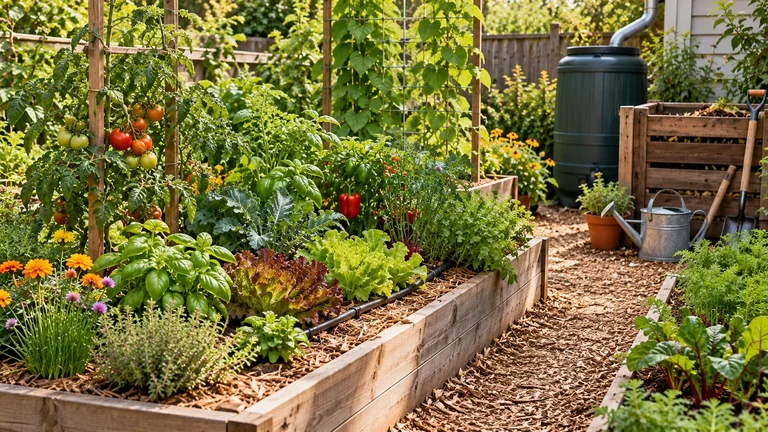
In a permaculture garden, plants are chosen for their functional roles within the system, rather than just their aesthetic appeal. For example, certain plants may be used as a living mulch to retain moisture and suppress weeds, while others may be used to attract beneficial insects or provide shade. The goal is to create a self-sustaining ecosystem that requires minimal maintenance and inputs from outside the garden.
The Complete Beginner's Guide to Permaculture Gardening at Home
Permaculture gardening is a low-maintenance and sustainable way to grow your own food at home. It's all about creating a self-sufficient ecosystem that mimics nature, using the principles of ecology and design. With permaculture, you'll learn how to work with nature, rather than against it.
- Start small: Begin with a few easy-to-grow plants like tomatoes, herbs, or leafy greens.
- Observe and listen: Pay attention to the natural rhythms of your garden and the needs of each plant.
- Compost: Turn kitchen scraps into nutrient-rich soil to reduce waste and feed your plants.
- Group like with like: Plant companion species together that benefit from each other's growth.
Incorporating permaculture principles into your gardening routine can be as simple as making a few small changes. By working in harmony with nature, you'll enjoy a more abundant harvest and a healthier ecosystem. Start your journey today!
Getting Started with Permaculture Gardening
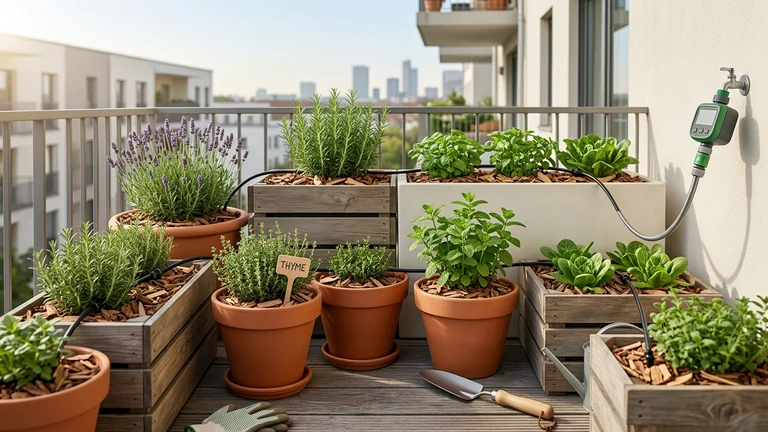
When it comes to choosing the right materials for your permaculture garden, you'll want to consider the type of plants you're growing and the overall aesthetic you desire. For beginners, a mix of raised beds and containers can be a great way to get started. Make sure to choose materials that are durable and easy to clean, such as recycled plastic or wood.
In terms of timing, permaculture gardening is all about working with nature rather than against it. Plant your garden at the right time for your climate and region, and make sure to leave enough space between each plant for proper growth and air circulation. Regular maintenance is key to a successful permaculture garden. This includes tasks like watering, pruning, and weeding.
Reality Check: Common Mistakes to Avoid
As a complete beginner in permaculture gardening, it's essential to set realistic expectations and avoid common mistakes that can lead to frustration and disappointment. One of the most critical mistakes is overestimating the amount of time and resources required to maintain a thriving garden. Permaculture gardening is a long-term commitment that requires patience, dedication, and continuous learning.
Another mistake is underestimating the importance of planning and design. A well-planned permaculture garden can help you optimize space, minimize maintenance, and create a sustainable ecosystem. It's crucial to research and understand the unique needs of your climate, soil type, and local plant species before starting your project.
FAQ
What is permaculture gardening and why should I start?
Permaculture gardening is a holistic approach to growing your own food and creating a sustainable lifestyle. It's all about working with nature, rather than against it. By starting small and learning the basics, you can create a thriving garden that provides for yourself and your community while also helping the environment.
What are some essential tools I'll need to get started?
You don't need to break the bank or invest in specialized equipment to start permaculture gardening. In fact, many of the tools you'll need can be found around your home or at a local thrift store. A few essentials include a shovel, trowel, watering can, and some old sheets or burlap for mulching.
How do I know what plants to grow in my permaculture garden?
The key is to choose plants that will work together harmoniously, providing shade, support, and nutrients for one another. This might involve planting companion vegetables, herbs, and flowers alongside each other. Start by researching the specific needs of your climate and soil type, then experiment with different combinations to find what works best for you.