Reading Time: 7 min read
30 Zero-Waste Garden Swaps That Are Actually Practical
A lower-waste garden does not require replacing everything you already own. In fact, buying a new “eco” version of a usable tool can create more waste than simply keeping the tool you have. A better approach is to use materials longer, avoid unnecessary single-use products, return organic material to the garden where appropriate, and buy replacements only when they solve a real problem.
The checklist below is organized from simple, mostly free changes to larger upgrades. You do not need all 30. Start with the swaps that match the waste your garden actually produces.
1–5: Reuse What You Already Have
- Reuse durable nursery pots instead of discarding them after planting. Wash and store sound pots for propagation, divisions or next season. Where local nurseries operate pot-return programs, returning unwanted pots may be better than putting them into mixed recycling.
- Reuse plant labels. Durable labels can be cleaned and rewritten. Wooden offcuts, slate pieces and other weather-resistant materials can also work when they are already available.
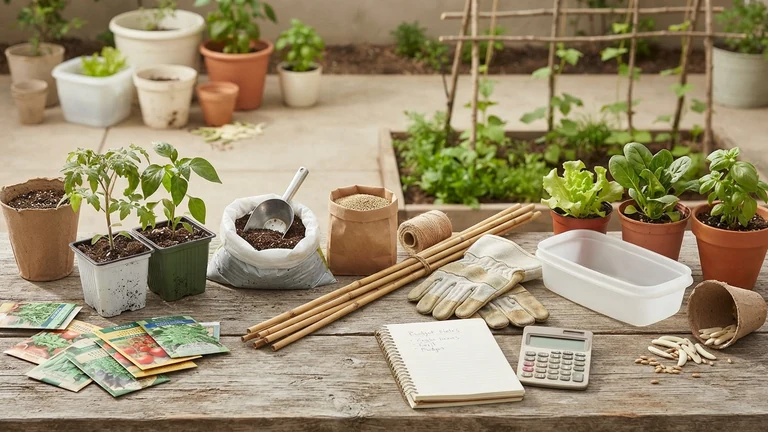
- Turn suitable household containers into seed-starting containers. Yogurt cups and similar containers can work when they are clean and drainage holes are added. Avoid containers that previously held hazardous substances.
- Repair handles, hoses and fittings before replacing the entire tool. Washers, connectors, hose ends and replacement handles can extend the useful life of garden equipment significantly.
- Keep a garden reuse box. Store clips, ties, labels, small pots, irrigation fittings and other reusable pieces in one place so they are available before you buy replacements.
6–10: Reduce Plastic and Disposable Supplies
- Replace disposable ties with reusable plant supports. Soft reusable ties, clips or natural-fiber twine can reduce repeated purchases. Check ties during the season so they do not constrict growing stems.
- Use durable trays instead of repeatedly buying thin seedling trays. Strong propagation trays may cost more initially but can serve for many seasons when stored out of sunlight between uses.
- Choose bulk soil amendments when the quantity makes sense. For larger gardens, local bulk compost or mulch can reduce packaging. For small gardens, however, buying excessive bulk material can create its own waste, so match the purchase to the space.
- Carry a reusable container or bag when harvesting. Baskets, buckets and washable produce bags eliminate the need for disposable collection bags.
- Skip unnecessary decorative plastic. Garden edging, ornaments and accessories should have a function or durable value rather than becoming short-lived seasonal waste.
11–15: Keep Organic Material in the Garden Cycle
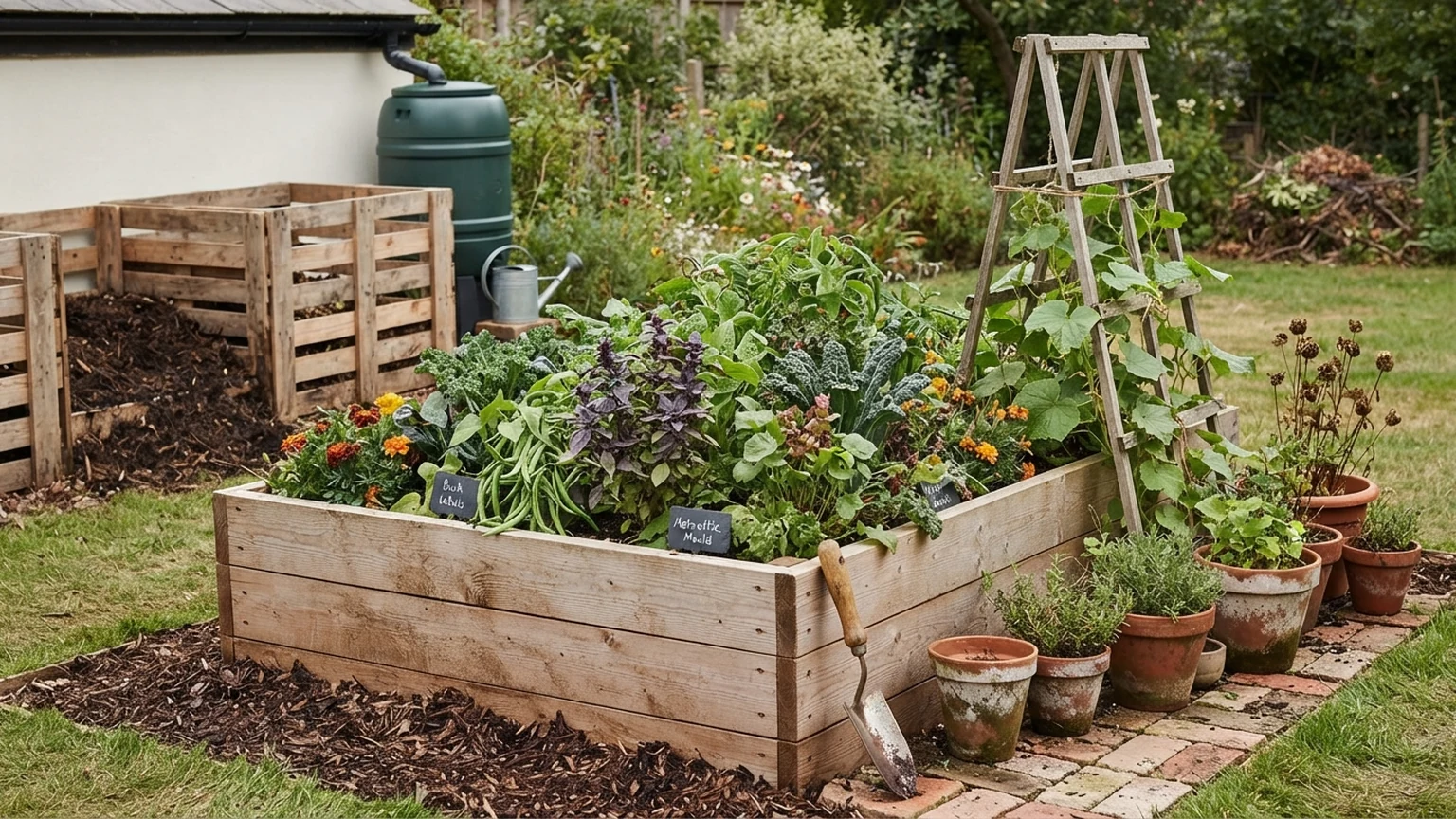
- Compost suitable plant and kitchen scraps where practical. Fruit and vegetable scraps, leaves and many untreated garden residues can become compost instead of entering the trash stream. What is accepted depends on the composting method and local rules.
- Shred or chop healthy autumn leaves for mulch or compost. Leaves are a useful carbon-rich material and often do not need to leave the property.
- Grasscycle instead of automatically bagging clippings. When grass is mowed appropriately and disease or weed-seed concerns are absent, fine clippings can remain on the lawn and decompose.
- Use suitable prunings as structural compost material. Small woody pieces can improve aeration in a compost pile; diseased or invasive material may require different disposal.
- Use finished compost according to plant and soil needs. Compost improves organic matter but is not automatically a complete fertilizer for every crop. Soil conditions and crop requirements still matter.
16–20: Make Water Use Less Wasteful
- Repair leaks before buying a new irrigation system. A worn washer or loose fitting may waste water while requiring only a small repair.
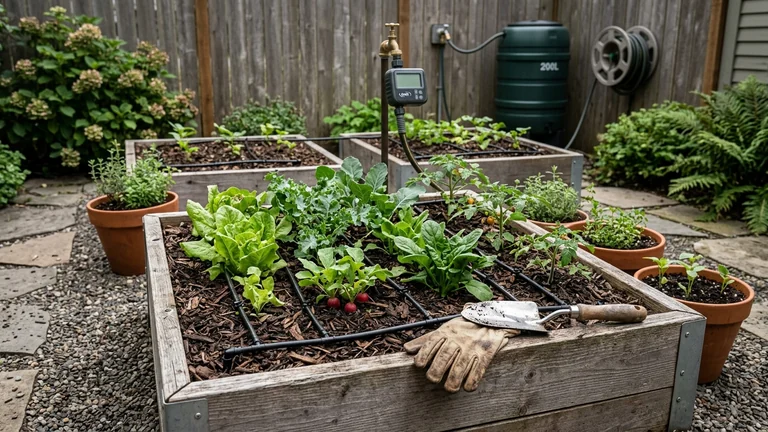
- Direct water toward the root zone. Drip lines, soaker systems or careful hand watering can reduce water landing on paths and other non-growing areas.
- Use mulch where it suits the crop and climate. Organic mulch can reduce exposed-soil evaporation and suppress weeds, but depth and material should fit the plants and local moisture conditions.
- Collect rainwater where it is legal and practical. A rain barrel can store roof runoff for later garden use. Local regulations, roof materials and water quality should be considered before deciding how collected water is used.
- Group containers with similar moisture needs. Watering zones make it easier to avoid giving every plant the same schedule regardless of container size, weather and crop requirements.
21–25: Buy More Deliberately
- Use the tool you already own before buying a specialized version. Many garden tasks can be performed with a small set of durable hand tools.
- Borrow or rent rarely used equipment. Tillers, shredders, aerators and other occasional-use equipment do not need to be owned by every household.
- Choose repairable tools when replacement is genuinely necessary. Replaceable blades, handles, batteries and common fittings can extend service life.
- Buy plants in the size you actually need. Large specimens often require more packaging, transport and cost. Smaller plants can make sense when the gardener is willing to wait for establishment.
- Save suitable seeds when it fits the crop and your goals. Open-pollinated varieties are generally more predictable for seed saving than hybrids, although cross-pollination and seed-borne disease considerations still matter.
26–30: Design Waste Out of the Garden
- Grow what your household actually eats. A garden that repeatedly produces unwanted crops can shift waste from the store to the backyard instead of reducing it.
- Succession-plant modest amounts rather than sowing everything at once. Staggered planting can spread harvests and reduce gluts, subject to the crop and local growing season.
- Plan preservation before peak harvest. Freezing, drying, fermenting or sharing surplus can reduce edible produce waste when done with appropriate food-safety practices.
- Choose perennial plants where they fit the site and diet. Perennial herbs and edible plants can reduce annual replanting and associated inputs, but they should be suitable for the climate and available space.
- Measure progress by waste avoided, not by products purchased. The most useful zero-waste swap is often the one that prevents a purchase, extends an item's life or keeps a usable material in circulation.
Where to Start: Free, Low-Cost and Bigger Upgrades
Start free: reuse pots and labels, repair fittings, keep leaves on-site where appropriate, grasscycle, borrow tools and grow crops your household will actually use.
Then consider low-cost changes: reusable ties, durable propagation trays, mulch, replacement hose fittings and simple composting equipment.
Only then consider larger upgrades: rain barrels, drip irrigation, more durable tools or expanded composting systems. These purchases make the most sense when they solve a recurring waste or resource-use problem rather than simply replacing something that still works.
What “Zero Waste” Does Not Mean
Zero waste is a direction, not a literal requirement that nothing ever leaves the garden. Diseased plant material, invasive species, contaminated materials and certain packaging may need appropriate disposal. Local composting, recycling and green-waste rules also vary.
It also does not mean that every product labeled natural, organic, biodegradable or plastic-free is automatically the best environmental choice. Durability, transport, material sourcing, actual reuse and the conditions in your garden all matter.
FAQ
How do I make my garden more eco-friendly?
Start with the waste streams you can see: disposable pots and labels, unnecessary packaging, discarded organic material, leaking irrigation and unused harvests. Reuse durable items, compost appropriate organic material, repair before replacing and buy only upgrades that solve a demonstrated problem.
Do I need to replace plastic garden products to create a zero-waste garden?
No. If a plastic pot, tray, hose or tool is still functional, continuing to use it may be more practical than discarding it simply to buy a product made from another material. Focus first on extending useful life and preventing unnecessary replacement.
What is the easiest zero-waste garden swap to start with?
Use what you already have. Reuse nursery pots and labels, keep suitable leaves for mulch or compost, repair leaking hose fittings and avoid buying specialized tools for jobs your existing equipment can already handle.
Your Next Step
Do not try to make all 30 changes at once. Pick three swaps that remove a recurring source of waste in your own garden, use them for a season, and then decide what is worth changing next. From there, explore GardHack's guides on composting, water-smart gardening and small-space growing to build the system gradually.