Reading Time: 10 min read
Reading Time: 5 min readCan You Really Start a Family Vegetable Garden for Under $75?
Yes — but only if you treat $75 as a starter-build target, not a universal guarantee.
A small food garden can be started on a tight budget when you already have a few basic hand tools, reuse safe containers where practical, keep the growing area small, and avoid expensive infrastructure such as raised-bed kits, automatic irrigation systems or large quantities of purchased soil.
If you are starting completely from zero, need to build beds, buy tools or fill large containers with new potting mix, your first-season cost can easily exceed $75.
The goal of this plan is different:
Spend the first dollars on things that actually help plants grow — seeds, healthy growing media, simple nutrition and basic support — and postpone everything decorative or optional.
A Practical $75 Starter Budget
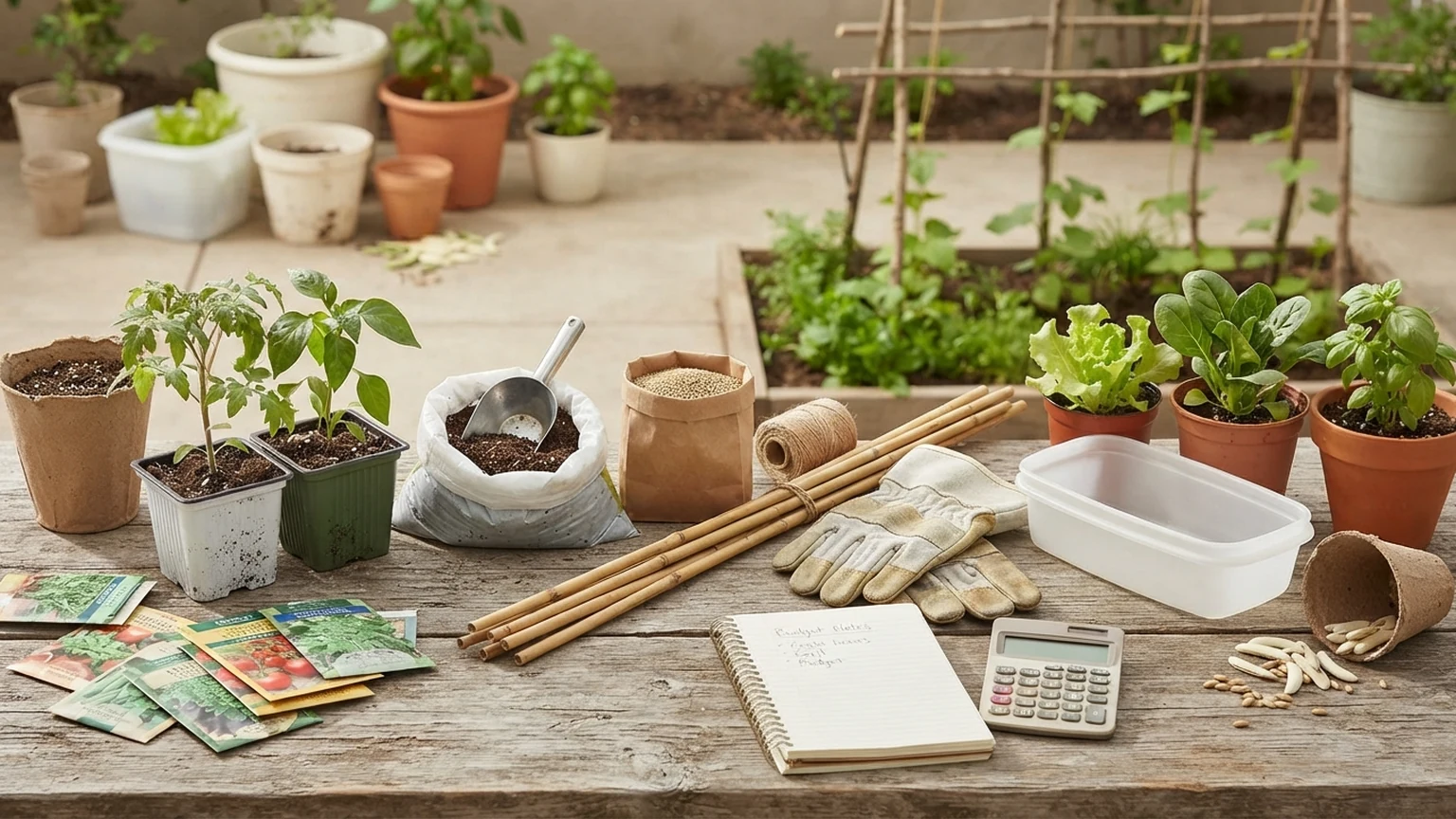
Here is one realistic way to allocate a maximum $75 starter budget:
| Category | Target Budget |
|---|---|
| Seeds and a few starter plants | $15 |
| Potting mix / compost | $25 |
| Safe reused or low-cost containers | $10 |
| Basic fertilizer | $8 |
| Stakes / simple support | $7 |
| Contingency | $10 |
| Total target | $75 |
This is a planning example, not a national price guarantee. Local prices for soil, seeds, transplants and containers vary considerably.
This target assumes that you already own basic hand tools and do not need to buy a raised bed, hose system, large planter collection or major soil volume.
Spend on Plants and Soil Before Garden Hardware
One of the easiest ways to overspend is to build the garden infrastructure before deciding what you actually need to grow.
A first-season vegetable garden does not need to look like a finished landscape project.
Before buying anything, ask:
- Do I already own a container that can safely be reused?
- Can I plant directly in existing garden soil?
- Do I already have a trowel, watering can or hose?
- Does this crop really need a trellis?
- Am I buying this because the plant needs it, or because the garden will look better?
Keeping those questions separate can save a surprising amount of money.
Best Budget Crops to Start With
For a small family garden, prioritize crops that either produce repeatedly, use space efficiently or replace foods you already buy often.
Leafy Greens
Lettuce, kale, spinach and similar greens can be useful budget crops because many varieties grow quickly, fit small spaces and can be planted more than once during the season.
They are especially useful when your household already buys salad greens regularly.
Fresh Herbs
Basil, parsley, cilantro and chives can provide repeated harvests from very little space.
Because supermarket herb packages are often small and relatively expensive, a few productive plants can replace repeated purchases throughout the season.
Bush Beans
Bush beans are inexpensive to start from seed and do not require a large trellis system.
They can be a practical choice for gardeners who want a productive crop without spending much on infrastructure.
Cherry Tomatoes
Cherry tomatoes can produce heavily from a relatively small footprint, but they need enough sunlight, consistent watering and some kind of support.
If your household buys fresh tomatoes frequently, one or two productive plants may be more useful than planting many different crops in tiny quantities.
Peppers
Peppers can work well in compact gardens and containers where adequate sun is available.
They tend to be more practical when you already buy fresh peppers regularly rather than simply because they are easy to find as seedlings.
Seeds or Starter Plants: Which Is Cheaper?
Seeds are often less expensive per plant, but that does not mean seeds are automatically the best choice for every crop.
Fast-growing vegetables such as beans, many leafy greens and some herbs are often practical to sow directly.
Tomatoes and peppers may be easier for beginners to establish from healthy starter plants, especially where the outdoor growing season is short.
The better budget decision is therefore:
use inexpensive direct-sown seed where it makes sense, and buy a limited number of transplants where they save significant time or reduce the risk of losing part of the season.
Use Safe Containers You Already Have
Reusing containers can reduce startup costs significantly, but not every discarded container belongs in a food garden.
Good low-cost choices can include:
- food-safe buckets with drainage holes,
- reused nursery pots,
- existing garden planters,
- grow bags you already own,
- other sturdy food-safe containers with adequate drainage.
A container needs enough volume for the crop's roots and enough drainage to prevent waterlogged soil.
What to Avoid
Do not use a container simply because it is free.
Avoid:
- containers that previously held chemicals,
- unknown or questionable treated materials around edible crops,
- containers without adequate drainage,
- fragile cardboard as a season-long growing container,
- very small containers for large-rooted or high-demand crops.
Old pallets should not automatically be converted into vegetable planters unless you can verify that the material is appropriate and safe for the intended use.
Do Not Spend the Budget on a Raised Bed Unless You Need One
Raised beds are useful, but they can consume most or all of a $75 starter budget before a single seed is planted.
They also require enough soil or growing mix to fill them.
If you already have usable garden soil, a small in-ground plot may be much cheaper.
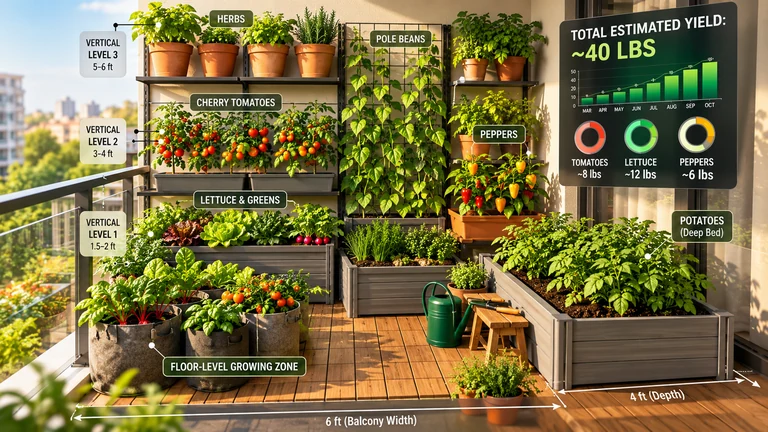
If you garden on a patio or balcony, a few properly sized containers can be more economical than building a complete raised-bed system.
Sunlight Is More Valuable Than Another Bag of Supplies
Before spending money, evaluate the growing location.
Tomatoes and peppers generally perform best with substantial direct sunlight, while leafy greens may tolerate somewhat less depending on climate and season.
If a location receives inadequate light, buying more fertilizer, premium soil or additional plants will not solve the underlying problem.
Do not rely on mirrors or improvised reflective systems as a substitute for choosing an appropriate growing location.
Keep Soil Spending Under Control
Soil and potting mix can become the largest expense in a container garden.
Use purchased potting mix where container growing requires it, but avoid buying more volume than your containers actually need.
Where appropriate, compost can contribute organic matter and help improve growing media, but it should be used as part of a suitable growing mix rather than assumed to replace every other component.
If you already have healthy garden soil, improving a small existing area may cost much less than filling large new containers.
Skip the Expensive Extras in Year One
A budget garden does not need:
- decorative plant markers,
- premium matching containers,
- automatic irrigation on day one,
- a complete new tool set,
- expensive raised-bed kits,
- specialty fertilizers for every crop,
- large quantities of decorative mulch.
Those products may be useful later, but they should not displace the basic inputs that determine whether the first crop succeeds.
Use Succession Planting to Get More from the Same Space
A cheap garden becomes more valuable when the same space produces more than one harvest during the season.
Instead of leaving an empty container or bed after an early crop finishes, plant another crop that fits the remaining growing season.
For example:
- early lettuce followed by beans,
- spring greens followed by a warm-season crop,
- summer crops followed by another round of cool-season greens where climate allows.
The container, soil area and basic infrastructure have already been paid for. Using them again improves the value of the original investment.
Start Smaller Than You Think
Another common beginner mistake is planting too much in the first season.
A smaller garden that you water, harvest and maintain consistently is usually more useful than a large garden that becomes difficult to manage.
For a first budget build, consider starting with:
- one or two tomato or pepper plants,
- one small section or container of leafy greens,
- one direct-sown crop such as bush beans,
- two or three herbs your household actually uses.
You can expand next season after learning which crops performed well in your conditions.
Where the $75 Plan Can Break Down
The under-$75 target becomes difficult when you need to purchase significant infrastructure.
Your first-season cost may exceed the target if you need:
- large raised beds,
- many cubic feet of new growing mix,
- a complete gardening tool set,
- fencing or animal protection,
- automatic irrigation equipment,
- large trellis systems,
- or many mature nursery transplants.
That does not make the garden a bad investment. It simply means those costs should be recognized as infrastructure rather than hidden behind an unrealistic promise that every garden can be started for the same amount.
How to Stretch the Budget Further
- Reuse safe containers before buying new ones.
- Grow direct-sown crops from seed where practical.
- Buy only a few strategic transplants.
- Choose crops your household already buys.
- Reuse stakes and containers for multiple seasons.
- Share seed packets with another gardener.
- Use succession planting instead of expanding the garden immediately.
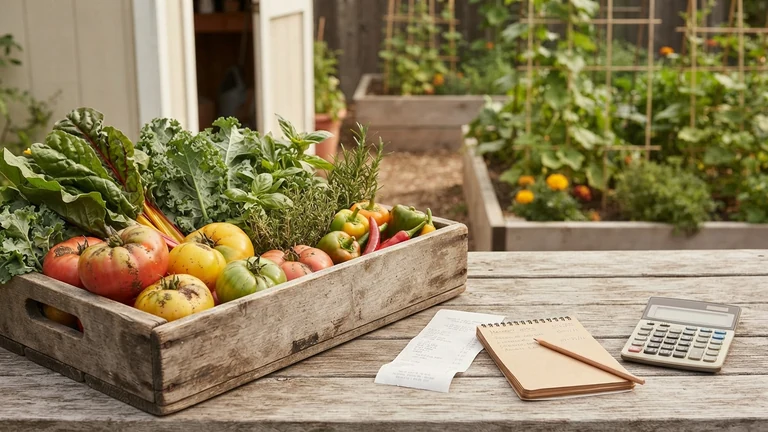
- Track what you actually harvest before increasing next year's budget.
A Better Way to Measure Success
The first year's goal does not have to be maximum yield or maximum financial return.
A successful budget garden can simply prove that your household can grow several foods reliably without turning gardening into another major household expense.
Track:
- what you spent,
- what you planted,
- what survived,
- what you harvested,
- what your family actually ate,
- and what equipment can be reused next year.
Those records make the second season easier to plan and usually cheaper to operate.
The Bottom Line
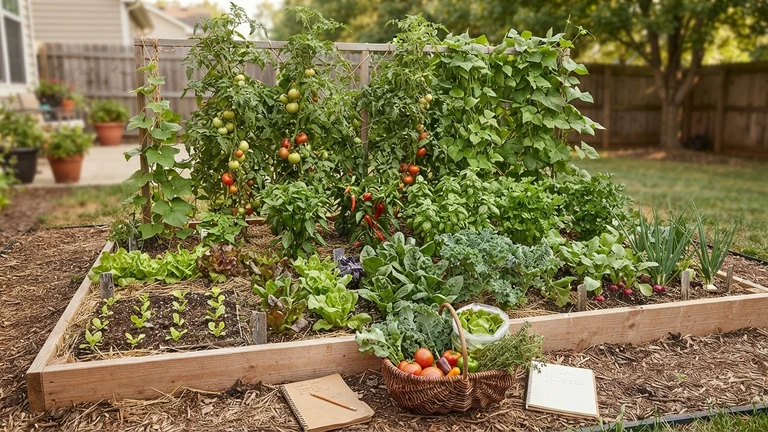
A family vegetable garden can be started for around $75 when the project stays small, uses safe reused materials and avoids expensive infrastructure.
But $75 should be treated as a disciplined starter target, not as a universal cost claim.
Spend first on productive essentials:
- good growing media,
- appropriate seeds or starts,
- basic nutrition,
- and the minimum support each crop actually needs.
Then reuse as much of that infrastructure as possible next season.
The cheapest garden is not necessarily the garden with the lowest first-day cost.
It is the garden that keeps producing without requiring you to buy the entire setup again next year.
FAQ
Can I really start a vegetable garden for under $75?
Yes, in a small and carefully controlled setup. The target is most realistic when you already own basic hand tools, reuse some safe containers or existing garden space, and do not need major infrastructure or large quantities of new soil.
What are the best vegetables to grow on a tight budget?
Leafy greens, frequently used herbs, bush beans, cherry tomatoes and peppers are useful starting candidates because they can provide repeated harvests or make productive use of limited space. The best choice still depends on climate, sunlight and what your household actually eats.
Are seeds always cheaper than seedlings?
Seeds usually cost less per plant, but transplants can make more sense for crops such as tomatoes and peppers when the growing season is limited. Direct sowing is often practical for beans, greens and several herbs.
Can I use any old container to grow vegetables?
No. Use sturdy containers made from suitable materials, with enough root volume and adequate drainage. Avoid containers that previously held chemicals or materials of unknown safety around edible crops.
Do I need a raised bed?
No. Raised beds are useful but optional. Existing garden soil or properly sized containers may be much cheaper for a first-season budget garden.
How much sunlight does a vegetable garden need?
Requirements vary by crop. Fruiting vegetables such as tomatoes and peppers generally need substantial direct sunlight, while some leafy greens can tolerate less. Evaluate your growing location before buying plants.
What should I spend money on first?
Prioritize suitable growing media, seeds or strategic starter plants, basic fertility and only the supports your crops actually require. Decorative infrastructure can wait.
Your Next Step: Build the First $75 Version, Not the Final Garden
Start with the smallest useful setup: choose the growing location, reserve most of the budget for suitable growing media and plants, and postpone decorative infrastructure or automation until the first crops are established.
Once you know what the garden actually produces, use GardHack's garden ROI calculator to compare harvest value with your real first-season costs instead of relying on generic savings claims.