From wilting plants to water conservation, we break down the impact of drought on your garden.
In 2026, the United States experienced a severe drought that affected over 60% of the country. As gardeners, we're no strangers to adapting to changing weather conditions. However, this prolonged dry spell had significant implications for our green spaces.
With water scarcity at an all-time high, many gardeners were forced to get creative with their watering habits. This included implementing efficient irrigation systems, using drought-resistant plants, and even harvesting rainwater. While it was a challenging time, the silver lining was that we learned valuable lessons about resilience and resourcefulness in the face of adversity.
Drought-Resistant Gardening Strategies for 2026
In the face of prolonged droughts like those experienced in 61% of US areas in 2026, it's essential to adapt your gardening approach to conserve water and promote resilience. One key strategy is to focus on drought-tolerant plant species that require minimal watering. This can include succulents, cacti, and other xeriscaping plants that thrive in arid conditions.
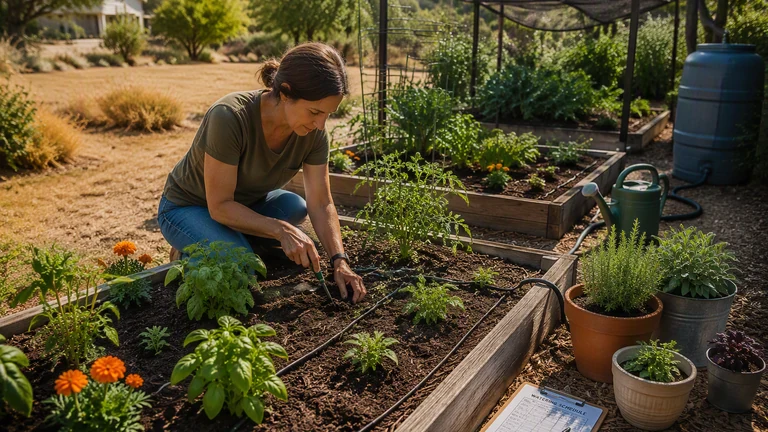
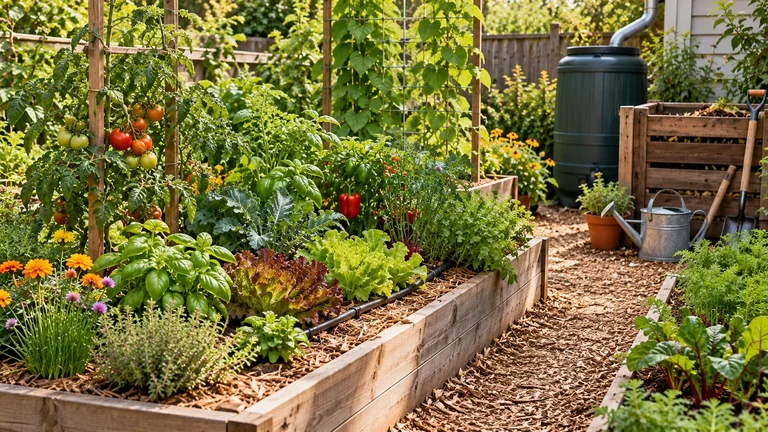
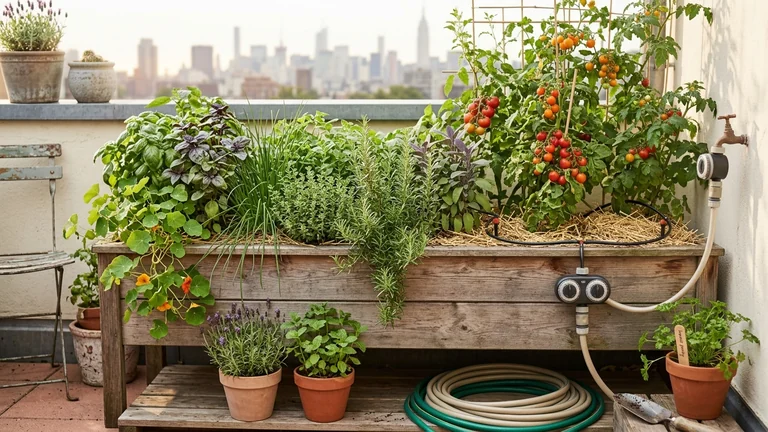
Another crucial aspect of drought-resistant gardening is soil conservation. By incorporating organic matter like compost or mulch into your soil, you can improve its water-holding capacity and reduce evaporation. This not only helps retain moisture but also supports beneficial microorganisms that aid plant growth. Additionally, consider using drip irrigation systems to deliver water directly to the roots of plants, minimizing evaporation and runoff.
Drought Alert: Understanding the Impact on Your Garden
As the nation experiences a prolonged drought, it's essential to understand its effects on your garden. While some areas may not be as severely affected, the reality is that 61% of the US is currently experiencing drought conditions. This means it's crucial to take proactive steps to ensure your plants thrive in these challenging conditions.
- Monitor soil moisture levels and adjust watering schedules accordingly
- Use drought-tolerant plants and mulch to reduce evaporation
- Implement efficient irrigation systems, such as drip irrigation
- Prune or remove plants that are struggling due to lack of water
In conclusion, while a drought can be challenging for your garden, it's not impossible to maintain. By taking these practical steps and being mindful of the unique needs of your plants, you can help them weather this dry spell and emerge stronger in the long run.
Drought-Resistant Gardening Tips for 2026
In the face of the 61% US drought in 2026, it's essential to choose plants and materials that can thrive in water-scarce conditions. Look for drought-tolerant species like succulents, cacti, and creeping thyme, which require minimal watering.
When selecting containers or soil, opt for those with good drainage to prevent waterlogged soil. Timing is also crucial – plant during the cooler months (spring or fall) when evaporation rates are lower. Regular maintenance, such as pruning and fertilizing, will help your plants adapt to the drought conditions.
Drought Reality Check: What You Need to Know
When you hear that 61% of the US is in drought, it's easy to panic and assume your garden will wither away. But the reality is more nuanced. While some areas are indeed experiencing severe drought conditions, others may be experiencing only mild dry spells or even average rainfall.
The key is to understand that every region has its own unique climate and water limitations. It's not about making blanket statements or assumptions; it's about understanding your specific situation and adjusting your gardening practices accordingly. So, take a deep breath, assess your local conditions, and make informed decisions about how to care for your garden during this time.
FAQ
Will my garden still grow with 61% of the US in drought?
Your garden can still thrive during a drought, but it's essential to take precautions. Focus on plants that are naturally drought-resistant or have low water requirements. Mulch and compost can also help retain moisture in the soil.
How will my local nursery be affected by the drought?
Nurseries may experience supply chain disruptions due to drought-related crop failures, leading to shortages of certain plants. Be prepared for potential delays or limited availability of specific species. Consider alternative options like online plant retailers or local botanical gardens.
Can I still compost during a drought?
Composting is crucial for maintaining soil health, even during a drought. Use drought-tolerant materials and prioritize aerating the pile to speed up decomposition. This will help minimize water usage while still providing valuable nutrients for your garden.