Reading Time: 4 min read
Avoid the hype surrounding raised bed kits and learn how to make an informed decision for your garden.
When it comes to selecting materials for construction or landscaping projects, the choice can have a significant impact on the overall outcome. One of the most important factors to consider is durability. A material that can withstand the elements and last for years to come will save time and money in the long run.
Another crucial consideration is heat. Some materials can absorb and retain heat, making them uncomfortable or even hazardous to use. For example, dark-colored pavement can become scorching hot on a sunny day, while light-colored surfaces can reflect heat and stay cooler. Soil depth is also important, as it affects the stability of structures and the growth of plants. Mobility is another factor to consider, as some materials may be more difficult to move or replace than others. Finally, cost is a significant consideration, as choosing the right material can save money in the long run.
Cedar Raised Bed Pros and Cons
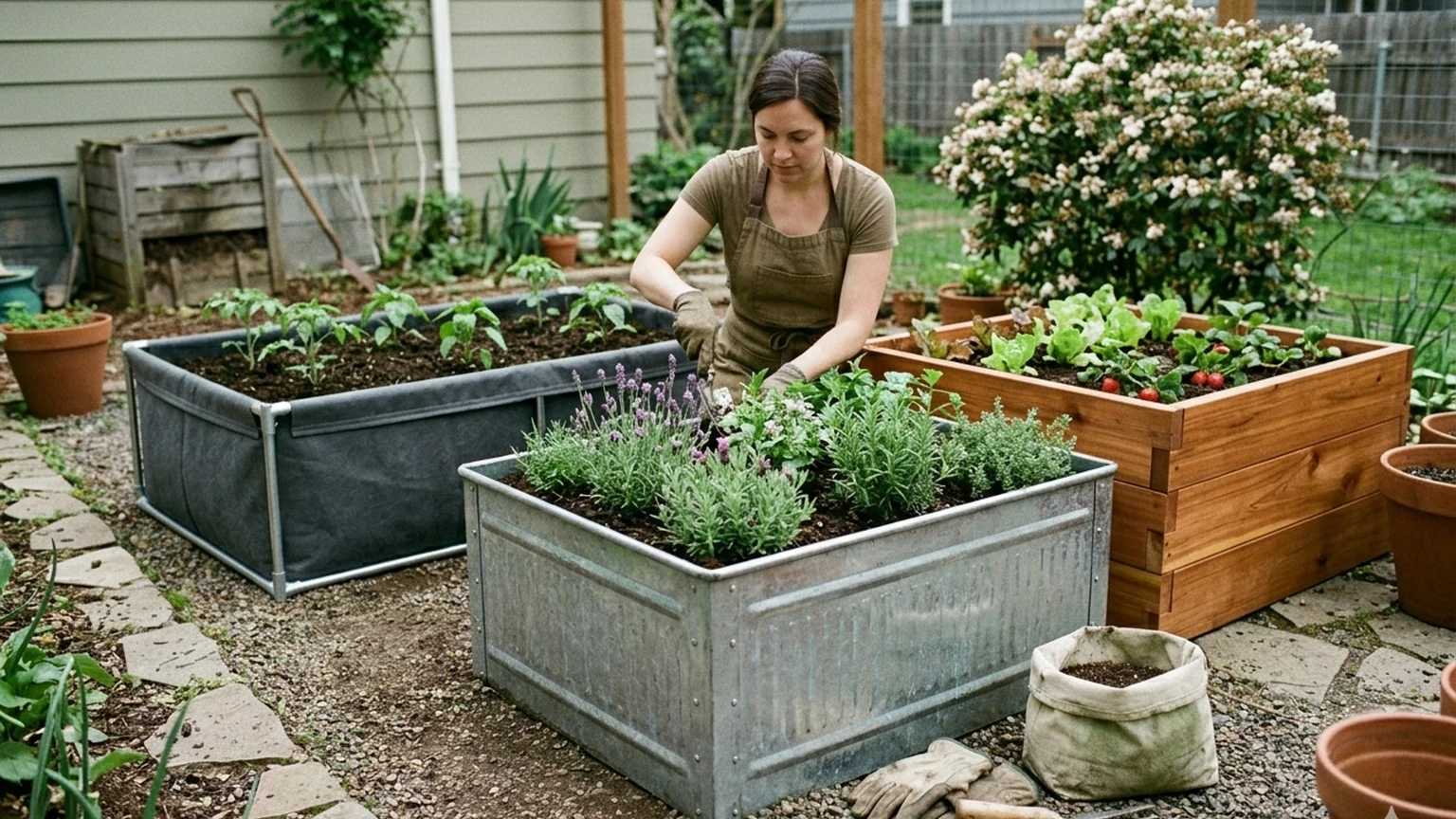
Cedar raised beds offer a natural, rustic look that can enhance the aesthetic appeal of your garden or backyard. The wood's distinctive aroma and warm color also create a cozy atmosphere.
One of the biggest advantages of cedar raised beds is their durability. Cedar is naturally resistant to rot, insects, and decay, making it an excellent choice for outdoor applications. Additionally, cedar raised beds are relatively low-maintenance, as they require only occasional cleaning and sealing to maintain their appearance.
Metal Raised Bed Pros and Cons
Metal raised beds offer excellent durability and resistance to pests and diseases, making them a great option for gardeners who want low-maintenance gardening. Additionally, metal frames can withstand extreme temperatures, including heatwaves and frost, which means you don't have to worry about your plants being damaged.
However, metal raised beds also have some drawbacks. For one, they can be quite expensive compared to other materials like wood or plastic. Furthermore, the shape of metal frames can limit the types of plants you can grow, as some plants require more space or specific shapes to thrive. Finally, some people may perceive metal raised beds as less aesthetically pleasing than other options, which could affect their overall gardening experience.
Fabric Raised Bed Pros and Cons
Raised beds made of fabric offer excellent portability, allowing you to easily move them around your garden or even take them with you when you relocate. This feature is particularly useful for renters or those who like to experiment with different gardening layouts.
Another advantage of fabric raised beds is their improved drainage. The breathable material allows excess water to escape, reducing the risk of root rot and other moisture-related issues. However, this benefit also means that you may need to water more frequently to keep the soil consistently moist.
Choosing the Right Raised Bed Material for Your Garden
When it comes to selecting the perfect garden tools, it's essential to consider your specific needs and goals. Whether you're a seasoned gardener or just starting out, having the right equipment can make all the difference in achieving success.
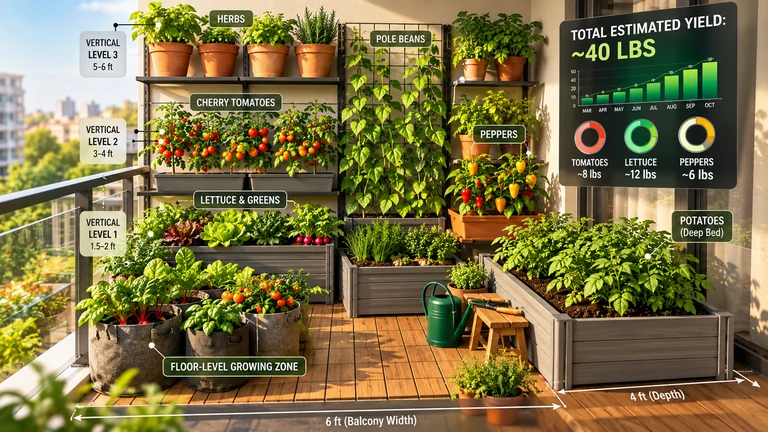
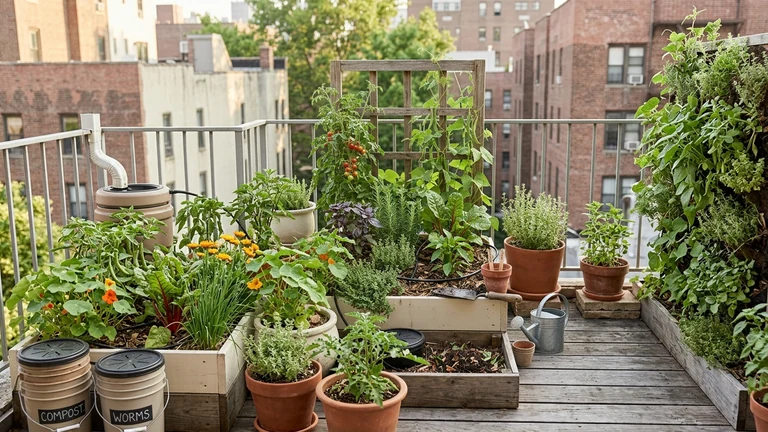
- If you have a small balcony or patio, look for compact and lightweight tools that are easy to maneuver and store.
- For a backyard garden, consider investing in durable and versatile tools that can handle larger spaces and heavier loads.
- Renters may want to opt for portable and affordable options that won't break the bank or leave any permanent marks on their rental property.
- Long-term gardeners may prioritize high-quality and long-lasting tools that will withstand years of use and provide a good return on investment.
In conclusion, choosing the right garden tools is crucial for achieving your gardening goals. By considering your specific needs and circumstances, you can select the perfect equipment to help you grow and maintain a beautiful and thriving garden.
FAQ
What are the main differences between cedar, metal, and fabric raised garden bed kits?
Cedar raised garden bed kits offer natural resistance to rot and insects, while metal kits provide a durable and long-lasting option. Fabric kits, on the other hand, are lightweight and easy to assemble.
Which type of raised garden bed kit is best for a typical home garden?
There is no universal winner for a home garden. Metal beds can offer long service life and low structural maintenance, cedar provides a natural appearance and straightforward modification, while fabric beds are inexpensive and portable. The best choice depends on budget, permanence, climate and how long you expect the bed to remain in place.
What are the pros and cons of fabric raised beds in a home garden?
Fabric raised beds are lightweight, portable and usually inexpensive to start with. Their trade-off is durability: fabric can wear faster than a well-built cedar or metal bed and may dry differently depending on climate, exposure and container volume.
For a home garden, choose the material that fits your budget, climate and expected service life rather than treating one material as universally best.