Reading Time: 7 min read
Natural Pest Control for Vegetable Gardens: 15 Methods That Actually Work
Natural pest control works best as an integrated system rather than as a search for one “safe” spray. The first question is always what is actually damaging the plant. Once the pest or problem is identified, use the least disruptive method that is likely to work, then reassess before escalating.
The 15 methods below are practical tools home gardeners can combine. None is universal, and “natural” does not automatically mean harmless. Always follow product labels where a pesticide product is involved, and avoid unnecessary treatment of beneficial or non-target organisms.
1. Inspect Plants Before Treating
Check leaves, stems, growing tips, fruit and the undersides of leaves before choosing a control. Insects, disease, heat stress, nutrient problems and watering errors can create similar symptoms, so treatment without identification often wastes time and can create new problems.
2. Hand-Pick Large Pests
For visible caterpillars, beetles, hornworms and similar pests, manual removal can be one of the simplest controls in a small vegetable garden. Inspect regularly and remove only the organisms you can identify as damaging.
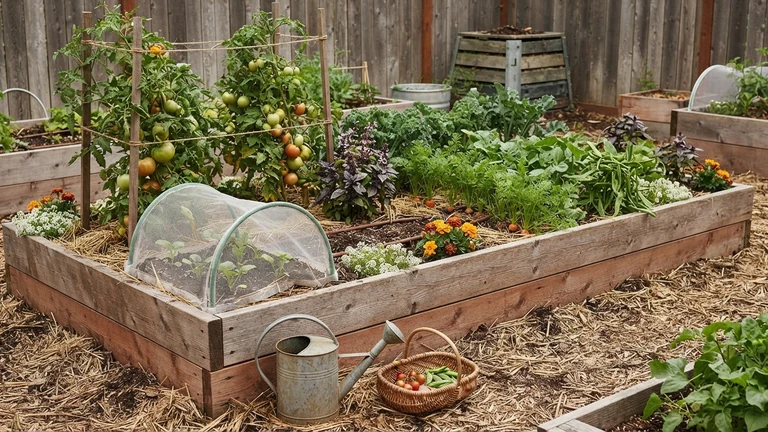
3. Use Fine-Mesh Row Covers
Physical exclusion can prevent many flying insects from reaching vulnerable crops. Row covers are especially useful early in the crop cycle, but they must be installed before pests are already trapped underneath and may need to be removed or managed for pollination on flowering crops.
4. Use Insect Netting or Screens
For beds, frames and container areas, insect mesh can reduce access by specific pests without requiring repeated sprays. The mesh size should match the pest, and the structure must be sealed well enough that insects cannot simply enter from the sides.
5. Remove Heavily Infested Plant Material
When a small part of a plant is heavily infested, pruning and removing that material can reduce pest pressure. Do not remove so much foliage that the plant is severely weakened, and dispose of infested material appropriately rather than immediately placing it beside healthy plants.
6. Use a Strong Water Spray for Soft-Bodied Pests
A directed stream of water can knock aphids and some other soft-bodied insects from sturdy plants. This works best as a repeated mechanical control rather than as a one-time cure, and delicate seedlings may be damaged by excessive pressure.
7. Encourage Resident Beneficial Insects
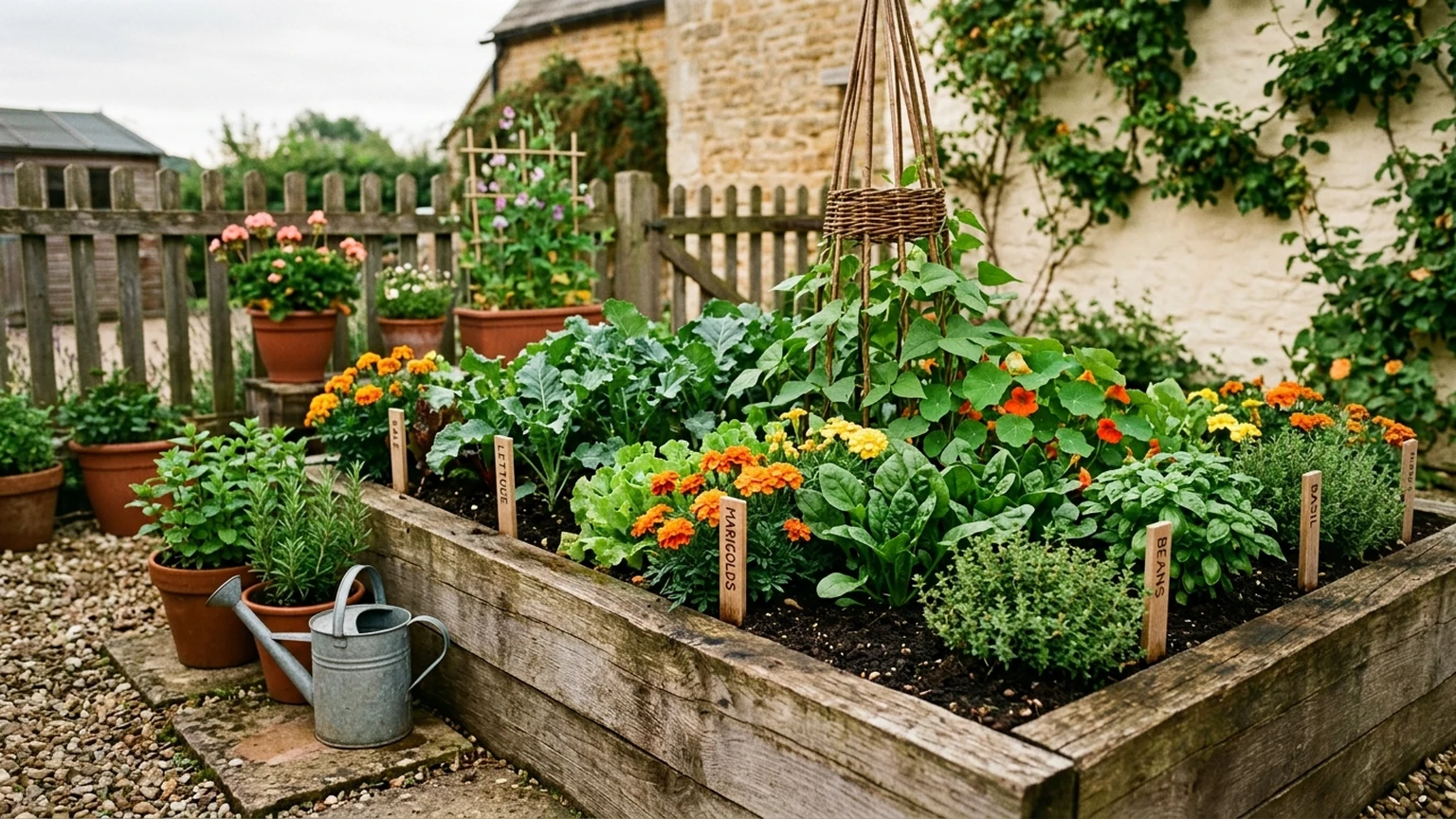
Lady beetles, lacewings, predatory bugs, spiders and parasitoid wasps can contribute to pest suppression. The practical strategy is to reduce broad-spectrum pesticide use and provide habitat and flowering plants where appropriate, not to assume beneficial insects will eliminate every outbreak.
8. Use Trap Crops Carefully
Some gardeners use a more attractive plant to draw pests away from the main crop. This can work in specific situations, but the trap crop must be monitored and managed or it can become a reservoir that increases the pest population.
9. Rotate Crops Where Space Allows
Crop rotation can help reduce carryover of some crop-specific pests and diseases. It is most useful where enough space exists to move plant families meaningfully; in very small gardens, sanitation and resistant varieties may matter more.
10. Keep the Growing Area Clean
Remove severely diseased material, rotting fruit, unmanaged weeds and debris that may shelter pests. Garden hygiene should not mean stripping the garden bare, but it can reduce unnecessary pest habitat around vulnerable crops.
11. Use Insecticidal Soap for Appropriate Soft-Bodied Insects
Insecticidal soap can be useful against some aphids, whiteflies, mites and other soft-bodied pests when the spray contacts them directly. It is not a universal insecticide. Follow the product label, test sensitive plants first and avoid unnecessary application to beneficial insects.
12. Use Neem-Based Products Only for a Defined Problem
Neem-derived products can affect certain pests, but effectiveness depends on the formulation, pest and timing. “Neem” should not be treated as an all-purpose preventive spray. Use only products labeled for the target crop and pest, and follow application directions carefully.
13. Use Bt for Susceptible Caterpillars
Bacillus thuringiensis products can be highly targeted when the correct strain is used against susceptible caterpillars. They are most effective when larvae are small and actively feeding. Correct identification matters because Bt does not control every insect.
14. Use Slug and Snail Barriers or Traps Where They Fit
Boards, traps, barriers and targeted baits can help reduce slug or snail damage in suitable gardens. Copper barriers and other physical methods can work only when installed and maintained correctly, and bait products should be selected and used according to their labels.
15. Combine Methods in an IPM Sequence
The strongest natural pest-control strategy is usually not one method but a sequence: identify the problem, monitor severity, prevent where possible, use physical or cultural controls first, apply a targeted product only when needed, and reassess the result before taking another step.
Which Method Should You Try First?
Start with the least disruptive option that matches the pest. A few caterpillars may need only hand-picking. Aphids on a sturdy plant may respond to a water spray. A recurring flying-insect problem may be better prevented with mesh. A labeled soap, Bt or neem-based product belongs later in the sequence when the pest and crop match the product.
What Is the Best Natural Pesticide for Vegetables?
There is no single best natural pesticide for every vegetable or pest. In many cases the best first intervention is not a pesticide at all. Correct identification, exclusion, sanitation or mechanical removal may solve the problem with less risk to beneficial organisms.
When a pesticide product is justified, choose one labeled for the specific crop and target pest, use the minimum effective application, follow timing and safety directions, and avoid treating the entire garden when only a small area is affected.
Natural Does Not Mean Risk-Free
Botanical, biological and naturally derived products can still irritate skin, injure plants, affect aquatic organisms or harm beneficial insects if they are misused. Product origin is not a substitute for reading the label and matching the treatment to the problem.
Common Mistakes
- Spraying before identifying the pest.
- Using the same product for every insect problem.
- Treating beneficial insects as pests.
- Assuming companion planting guarantees protection.
- Applying preventive sprays when no damaging pest is present.
- Ignoring irrigation, plant stress or disease as possible causes of damage.
FAQ
What is the best natural pesticide for vegetables?
There is no universal best choice. The correct control depends on the pest, crop and severity. Physical and cultural controls often belong ahead of pesticide products in an integrated pest-management sequence.
Are natural pesticides safe around children and pets?
Not automatically. Naturally derived products can still be hazardous when misused. Follow the label, store products securely and keep people and animals away during application as directed.
Does companion planting prevent pests?
Not reliably enough to replace monitoring or direct control. Some plant combinations may support beneficial insects or fit well together, but companion planting should not be treated as guaranteed pest protection.
When should I use insecticidal soap?
Use it when the product is labeled for the crop and target pest and when direct contact with susceptible soft-bodied insects is practical. It is not effective against every pest.
When should I use neem?
Only when a neem-based product is labeled for the crop and target pest and its mode of action fits the problem. Avoid treating it as a universal preventive spray.
What should I do first when I find damaged leaves?
Inspect the plant closely and identify whether the cause is an insect, disease, environmental stress or another problem before choosing a treatment.
Build a Practical Pest-Control Routine
For an eco-conscious home garden, the goal is not to eliminate every insect. It is to keep crop damage at an acceptable level while avoiding unnecessary impacts on people, pollinators and the wider garden ecosystem. Begin with identification and prevention, escalate only when needed, and use targeted products as one tool rather than the entire strategy.
Build a More Resilient Garden
One practical system every Tuesday — water-smart gardening, food resilience, permaculture and small-space growing.
No fluff. No spam. Just practical systems that work.